
Accessible intake
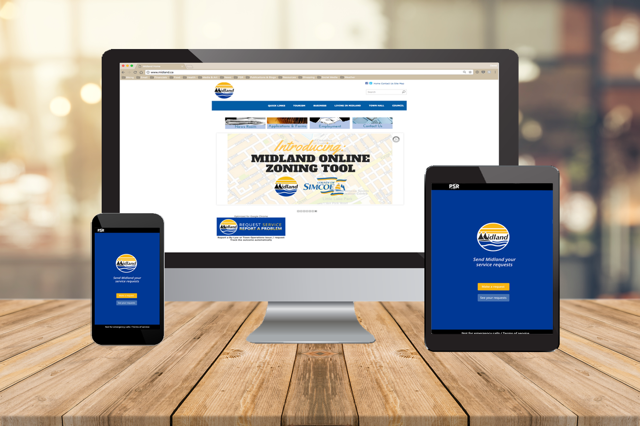
Branded web and mobile interfaces allow the public to submit service requests and issue reports. AI voice agents and staff-assisted call taking extend access beyond self-service forms.
Public service technology case study
Public Service Request is a cloud-based service request and work-management platform designed to connect the public with the right public-sector service provider while giving staff a structured way to route, manage, measure, and report service delivery.
The platform supports public interaction across branded web and mobile experiences, staff-assisted intake, and multilingual AI voice agents. Requests can be directed to the responsible person or department, progressed through configurable workflows, and monitored through operational analytics and service-level reporting.
Operational challenge
Public-service requests often arrive through disconnected channels: web forms, telephone calls, emails, elected officials, and direct contact with individual departments. Without a common operational process, the public can struggle to identify the responsible agency, staff may manually forward incomplete information, and requests can disappear into a service-delivery black hole.
Public Service Request addresses this by creating a structured connection between public interaction and internal work management. A person can report an issue, request a service, obtain information, apply for a licence or permit, or make a suggestion. The platform then directs the request toward the relevant provider and supports progress through to completion.
The approach is intentionally cross-departmental. It is designed to support any type of request for any department, while also improving communication between staff and service providers. This provides a clearer operational record and gives managers the information required to understand workload, response performance, and service-level compliance.
Request lifecycle
The platform connects public intake, intelligent routing, departmental work, status communication, and performance oversight rather than treating each contact channel as a separate process.
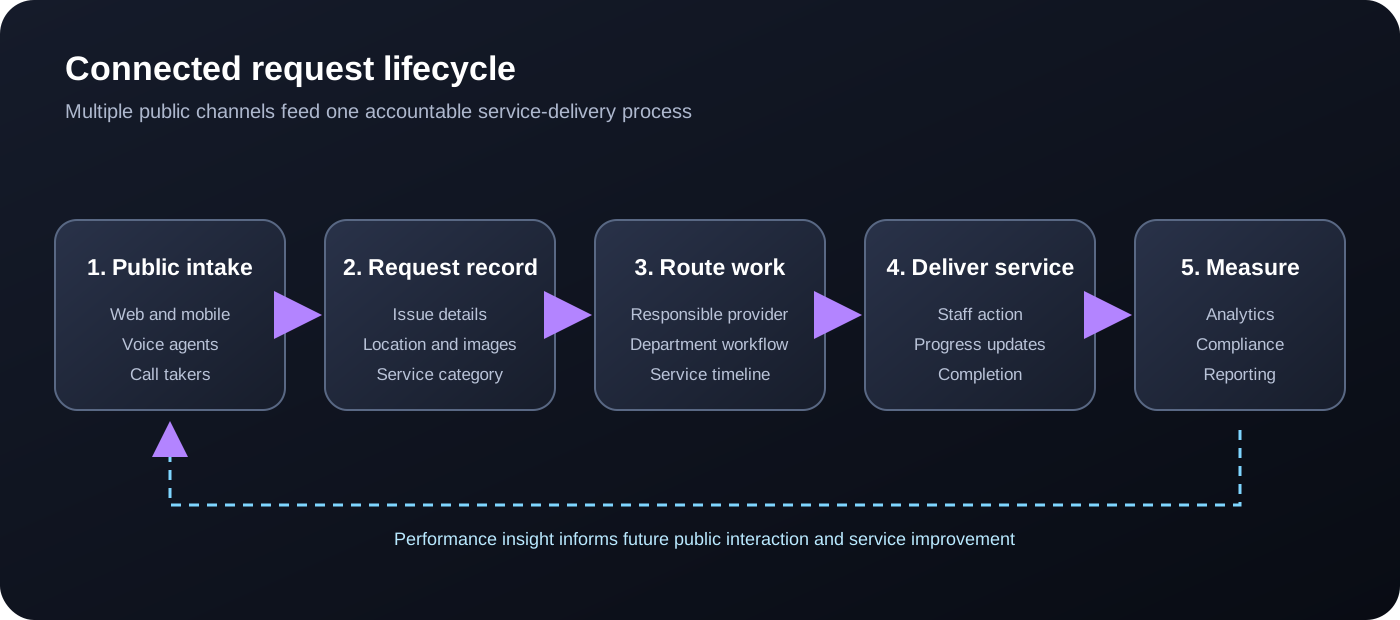
Branded web and mobile interfaces allow the public to submit service requests and issue reports. AI voice agents and staff-assisted call taking extend access beyond self-service forms.
Request details are directed toward the appropriate staff person or service provider, reducing manual forwarding and helping departments begin work with clearer information.
Workflow and service-level tracking create a more accountable path from receipt to progress and completion, with operational reporting available to staff and managers.
Public interaction
Effective public interaction cannot depend on one form or device. Public Service Request supports mobile, tablet, and computer access and presents branded public-service experiences. The supplied product information also describes multilingual AI voice agents that can connect members of the public to the right staff person or service provider.
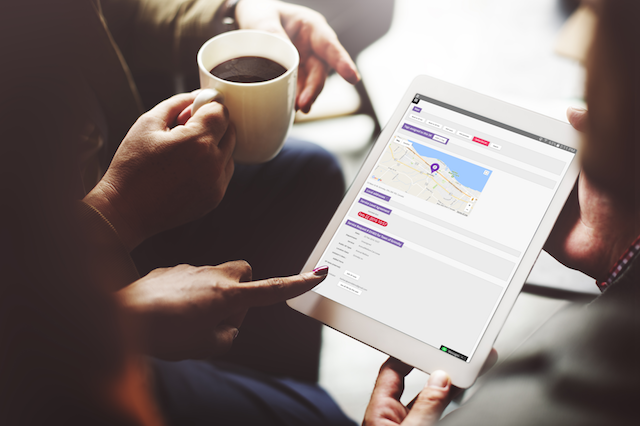
For practical issue reporting, the platform can capture location, details, and images. A roads and sidewalks example demonstrates how a person can report a pothole or damaged sidewalk using a smartphone, laptop, or tablet, after which the issue is delivered to the responsible agency.

Work management
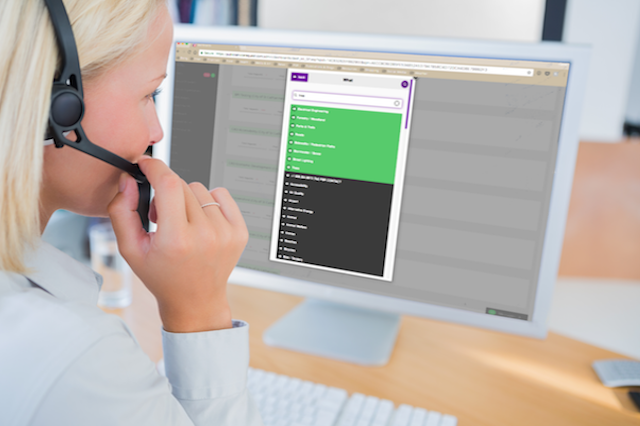
Capturing a request is only the beginning. The platform combines enterprise request management with a workflow engine and analytics so the organization can move from public contact to internal action. Requests can support different departments and service types while remaining within a common operating model.
This cross-departmental approach helps staff communicate internally and gives managers a clearer view of how requests move through the organization. The Public Service Request site describes transparent measurement, management, and reporting of service-level compliance, providing a foundation for reviewing response timelines and identifying operational pressure points.
Because the platform is cloud-based and supports mobile, tablet, and computer access, participating staff can work without requiring a large local IT footprint. Progressive implementation also allows organizations to begin with priority services and expand the operating model over time.
Capabilities
The value lies in connecting channels, departments, workflows, and reporting into one service-management environment.
Free-to-the-public request access supporting issue reporting, service enquiries, information requests, applications, and suggestions across public-sector topics.
Multilingual AI voice agents designed to improve public access and connect callers with the appropriate staff person or service provider.
Request and work-management processes that help departments route, progress, coordinate, and complete service activity.
Reporting and performance visibility supporting service-level compliance, workload review, outcomes, and efficiency management.
Stakeholder visibility
A shared request record creates value for each group involved in service delivery.
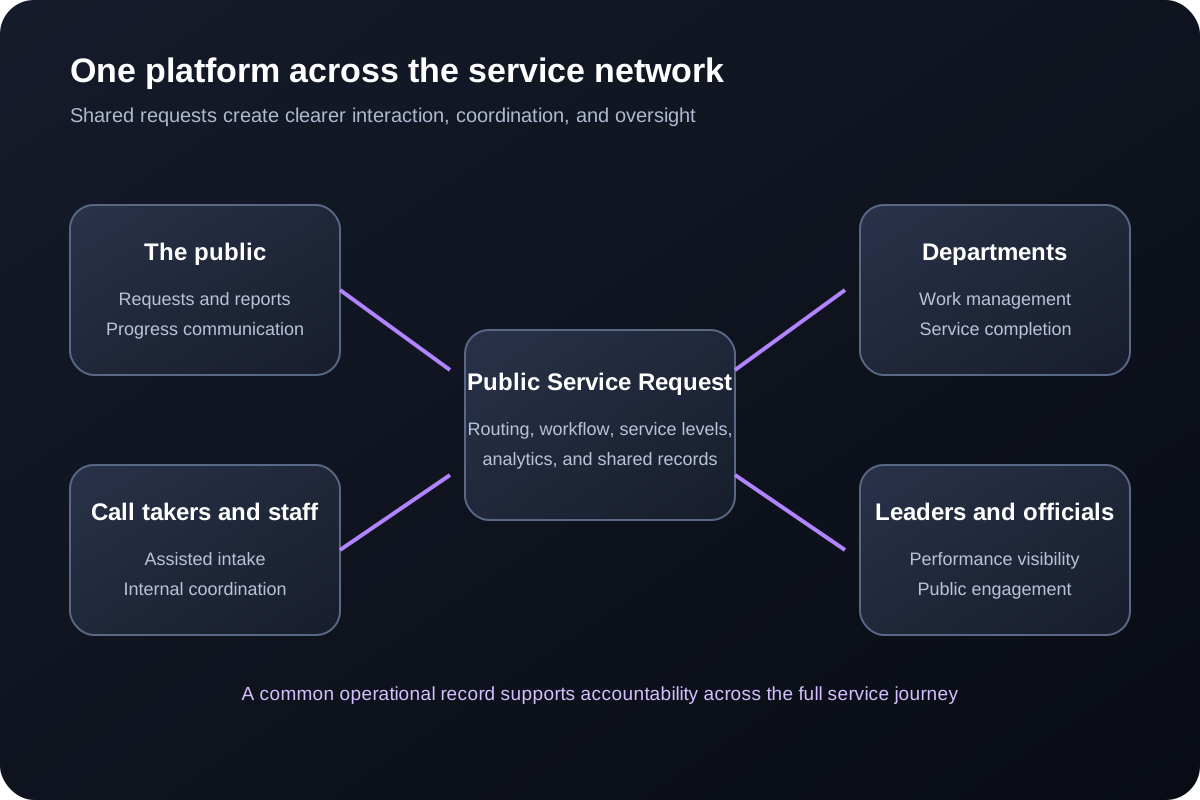
A simpler route to the responsible provider, clearer progress communication, and multiple ways to report or request a service.
Structured request information, internal coordination, work-management workflows, and a consistent operational record.
Service-level reporting, performance visibility, and a clearer view of public concerns and departmental response.
Buyer questions
Yes. Public Service Request describes its model as supporting any type of service request for any department. The operating approach connects the public to the responsible provider while supporting internal communication between staff and departments.
The platform supports branded web and mobile experiences across smartphones, tablets, and computers. It also supports staff-assisted intake and multilingual AI voice agents for people who prefer or require a voice channel.
Yes. The published roads and sidewalks workflow describes reporting issues with Google Maps location, details, and images, allowing the responsible agency to receive more useful issue information.
Yes. Public Service Request presents workflow analytics and transparent service-level compliance measurement, management, and reporting as central platform capabilities.
Yes. An engagement can focus on public intake, channel integration, workflow routing, departmental handoffs, analytics, or modernization of an existing platform. The starting point is a review of the current service journey and operational constraints.
Start a conversation
Discuss your intake channels, departmental workflows, reporting needs, integrations, and the clearest route to more accountable service delivery.